At Spine, Neck, & Back Specialists, located in Bloomfield, Englewood, Union City, NJ, and serving the wider Bergen County area, every patient’s spine care journey is unique. Dr. Jay Reidler emphasizes the importance of creating personalized treatment plans for patients considering spine surgery, ensuring the approach matches both the patient’s condition and lifestyle. Factors such as the severity of symptoms, medical history, age, and activity level all play a crucial role in designing the optimal care plan. This patient-focused approach allows for the best possible outcomes, whether addressing back pain, neck pain, or more complex conditions like scoliosis.
Developing a treatment plan begins with a thorough evaluation. This includes reviewing imaging results, medical history, and current pain levels, along with discussing patients’ personal goals and expectations. Understanding the nuances of each patient’s condition, whether it’s chronic discomfort or a spinal deformity, allows Dr. Reidler to determine if non-surgical interventions, conservative back treatment, or surgical procedures are most appropriate. This careful analysis ensures that every step of the plan is deliberate, evidence-based, and tailored to the individual.
Comprehensive Diagnostic Assessments
Effective treatment planning starts with precise diagnostics. Advanced imaging techniques such as MRIs, CT scans, and X-rays provide detailed views of the spine, allowing for the identification of issues like herniated discs, spinal stenosis, or curvature associated with scoliosis. These images inform whether a patient might benefit from minimally invasive surgery or a more traditional approach. Beyond imaging, functional assessments examine posture, range of motion, and muscular strength to evaluate how the spine interacts with the rest of the body.
In addition to physical diagnostics, understanding the patient’s lifestyle and medical history is essential. Factors like previous injuries, chronic conditions, or prior surgeries influence the selection of treatment options, including specific types of spine surgery. This holistic diagnostic process ensures that the treatment plan not only addresses the immediate spinal issue but also supports long-term spinal health and recovery.
Customized Surgical Approaches
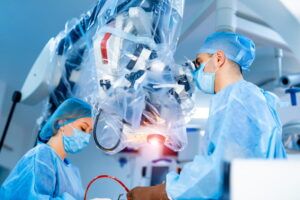
When surgery is recommended, it is carefully tailored to the patient’s anatomy and condition. Modern innovations, such as robotic spine surgery, enhance precision, allowing surgeons to navigate complex spinal structures with minimal disruption to surrounding tissues. For younger patients with progressive curvature, pediatric scoliosis surgery may be necessary, emphasizing techniques that protect growth and mobility while correcting deformities.
Some patients may benefit from minimally invasive surgery, which often results in less postoperative pain, shorter hospital stays, and faster recovery times. Other cases may require a combination of surgical techniques, depending on the severity and location of the spinal problem. By selecting the most appropriate surgical method, treatment plans aim to reduce complications, improve pain relief, and restore function efficiently.
Integrating Non-Surgical Therapies
Surgery is often just one component of a comprehensive care plan. Many patients benefit from integrating conservative back treatment before or after surgery, including physical therapy, targeted exercises, and lifestyle modifications. This approach not only strengthens the spine but also minimizes the risk of recurrence or further injury. For patients recovering from workplace injuries, workers’ comp – back injury recovery programs can help restore mobility and function while ensuring the spine remains protected during the healing process.
This integration ensures a seamless transition between surgical and non-surgical care, giving patients a balanced approach to recovery. By combining surgery with complementary therapies, patients experience reduced pain, improved mobility, and enhanced quality of life. Postoperative plans often include guidance on spine surgery recovery, providing education on safe movement, posture, and activity levels to maximize long-term results.
Collaborative Decision-Making
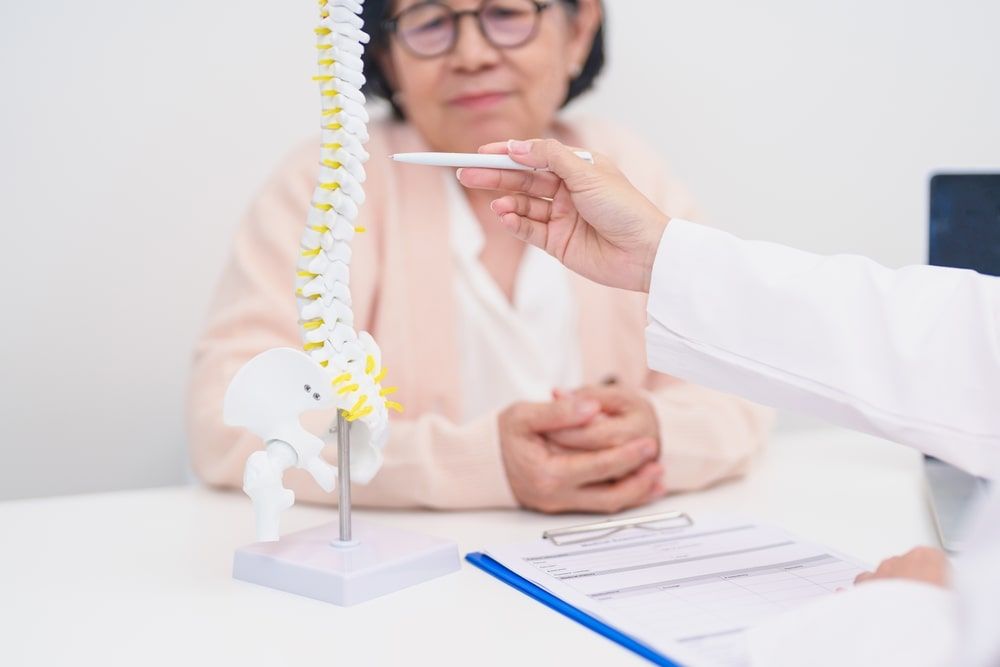
At the heart of every tailored treatment plan is collaboration. Dr. Reidler works closely with each patient to review options, explain potential risks and benefits, and discuss expected outcomes. This collaborative approach empowers patients to make informed decisions, ensuring their values and lifestyle are reflected in the care plan. Open communication also allows adjustments to the plan if progress or recovery needs change, maintaining flexibility and patient-centered care throughout the process.
Patients and families are encouraged to ask questions and share concerns during every stage of planning. By fostering this partnership, the team at Spine, Neck, & Back Specialists ensures that treatment plans are not only medically sound but also personally meaningful, improving both physical health and patient confidence.
Conclusion
Tailoring spine surgery treatment plans requires precision, expertise, and a deep understanding of each patient’s unique needs. From detailed diagnostics and customized surgical approaches to integrating non-surgical therapies and promoting collaborative decision-making, the focus is always on improving outcomes and quality of life. At Spine, Neck, & Back Specialists in Bloomfield, Englewood, Union City, NJ, and Bergen County, this patient-centered approach ensures every spine care journey is as effective, safe, and personalized as possible.
For patients exploring options with CIGNA PPO or other insurance plans, contacting the clinic ensures you can receive guidance and support for your personalized treatment plan.
Resources
McLaughlin, K. A., & Nolen-Hoeksema, S. (2011). Rumination as a Transdiagnostic Factor in Depression and Anxiety. Behavior Researcher and Therapy.
Benzel, E. C. (2012). Spine Surgery: Techniques, Complication Avoidance, and Management. Elsevier Health Sciences.
Resnick, D. K., & Choudhri, T. F. (2017). Spine Surgery Fundamentals. Springer.