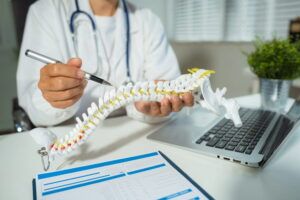

Spine surgery recovery is a gradual and highly individualized process that varies based on the type of procedure, overall health, and the underlying condition being treated. At Spine, Neck, & Back Specialists, Dr. Jay Reidler helps patients understand that recovery is not a single phase but a series of progressive stages that focus on healing, mobility restoration, and long-term spinal stability. For patients in Bloomfield, Englewood, Union City, NJ, and throughout Bergen County, having a realistic understanding of the timeline can significantly reduce anxiety and improve recovery outcomes.
The recovery experience often depends on whether the procedure was minimally invasive or more complex in nature. Techniques such as Minimally Invasive Surgery or Robotic Spine Surgery may shorten initial recovery times due to reduced tissue disruption. However, regardless of surgical approach, healing still requires careful adherence to post-operative instructions and a structured rehabilitation plan.
The First Week After Spine Surgery: Immediate Healing Phase
The first week following spine surgery is primarily focused on pain control, wound care, and limited mobility. Patients are typically encouraged to begin gentle movement soon after surgery to promote circulation and reduce the risk of complications. While discomfort is expected during this stage, it is usually managed with prescribed medications and close monitoring.
During this early phase, patients may notice fatigue and restricted movement, which is a normal part of the body’s healing response. Depending on the type of procedure performed, such as those outlined in Types of Spine Surgery, activity restrictions will vary. Some patients may require assistance with daily activities, and proper posture is emphasized to protect the surgical site. Careful adherence to instructions during this stage sets the foundation for a smoother recovery process.
Weeks 2 to 6: Regaining Mobility and Early Rehabilitation
As healing progresses into weeks two through six, patients typically begin to experience reduced pain and improved mobility. This phase is often when structured physical therapy is introduced, focusing on restoring flexibility, strengthening core muscles, and improving spinal support. The goal is to gradually reintroduce movement without placing excessive stress on the healing structures.
Patients recovering from conditions associated with chronic discomfort, such as Back Pain or Neck Pain, often notice gradual symptom improvement during this time. However, progress may still feel slow, and occasional flare-ups can occur as the body adapts to increased activity levels.
Typical milestones during this phase may include:
- Transitioning from assisted walking to independent walking
- Gradual reduction in pain medication usage
- Beginning supervised physical therapy sessions
- Increased tolerance for sitting and standing
These improvements are encouraging signs of healing, but patients are still advised to avoid heavy lifting, twisting motions, or high-impact activities that could disrupt recovery.
Two to Three Months: Strengthening and Functional Recovery
By the two to three-month mark, many patients experience a significant improvement in mobility and daily functioning. This phase focuses on rebuilding strength, improving endurance, and returning to more normal routines. Physical therapy becomes more intensive, targeting long-term spinal stability and preventing future injury.
At this stage, the spine continues to heal internally even after external symptoms have improved. Patients are often cleared for more activities, but full recovery is still in progress. The body is adapting to structural changes, and consistency with rehabilitation exercises remains essential for optimal results. In cases where surgical intervention addressed long-standing spinal degeneration, patients often begin to notice meaningful improvements in quality of life.
Understanding the full recovery process, including post-operative expectations outlined in Spine Surgery Recovery, helps patients remain committed to their rehabilitation journey. Even when progress feels gradual, each phase contributes to long-term success.
Factors That Influence Recovery Time
Recovery timelines are not identical for every patient, as several factors influence healing speed and overall outcomes. These include the complexity of the procedure, the patient’s age, physical condition, and adherence to post-operative care instructions. Patients undergoing more advanced procedures or those with pre-existing spinal conditions may require longer recovery periods.
Other contributing factors include smoking status, nutritional health, and activity level prior to surgery. Patients who maintain good overall health and follow rehabilitation guidelines tend to recover more efficiently. Emotional readiness and support systems also play an important role in maintaining motivation throughout the recovery process.
When to Contact a Spine Specialist During Recovery
While some discomfort is expected during recovery, certain symptoms should prompt immediate medical attention. These include increasing pain that does not improve with medication, signs of infection such as fever or redness at the incision site, or new neurological symptoms like numbness or weakness. Early communication with a spine specialist ensures that any potential complications are addressed promptly.
In some cases, lingering pain may still be related to underlying spinal conditions that require ongoing management or additional evaluation. Patients who initially sought care for chronic issues like Scoliosis or degenerative spinal disorders may continue to need long-term follow-up even after surgery.
Spine, Neck, & Back Specialists continues to support patients throughout every stage of recovery, ensuring they understand what to expect and how to navigate each phase safely. Dr. Jay Reidler and the team provide individualized guidance to help patients achieve steady, sustainable improvement in spinal health.
Recovery from spine surgery is a structured journey that requires patience, consistency, and professional guidance. Spine, Neck, & Back Specialists remains committed to helping patients in Bergen County and surrounding New Jersey communities move through this process with clarity and confidence while improving long-term outcomes.
Resources
Deyo, R. A., & Weinstein, J. N. (2001). Low Back Pain. New England Journal of Medicine.
Healy, A. T., et al. (2019). Postoperative Recovery After Spine Surgery. Journal of Spine Surgery.
American Association of Neurological Surgeons (AANS). (2022). Spine Surgery Recovery Guidelines.