
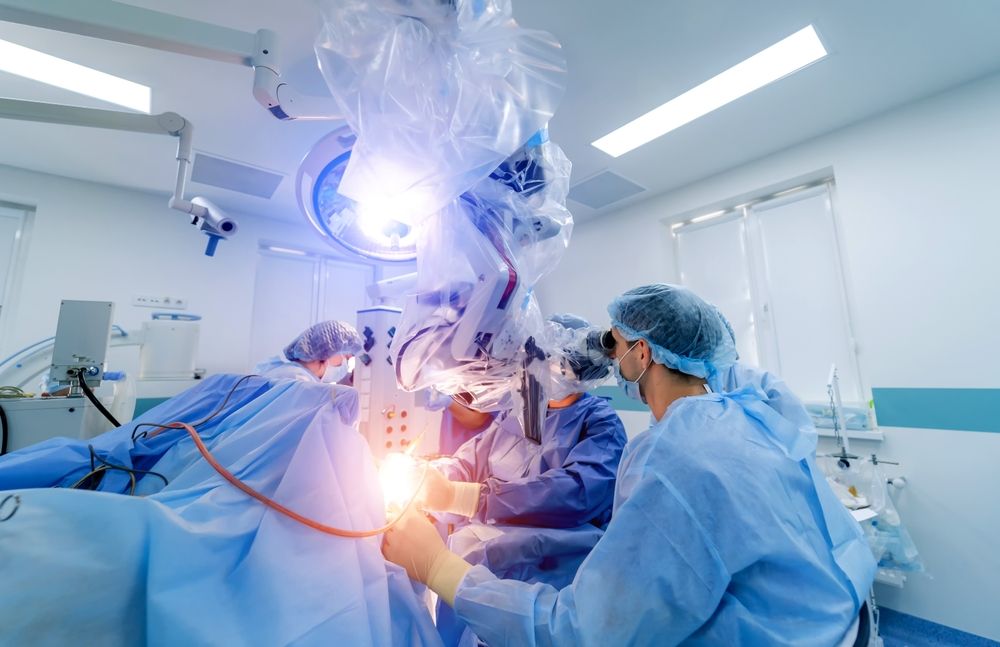
At Spine, Neck, & Back Specialists, with locations serving Bloomfield, Englewood, and Union City, NJ, patients are increasingly exploring advanced options for spine treatment. One of the most significant advancements in recent years is robotic spine surgery. This technology represents a shift from traditional methods toward a more precise, minimally invasive approach that can improve patient outcomes, reduce complications, and accelerate recovery times. Robotic assistance in spine surgery has become a focal point for both patients and healthcare providers looking to harness cutting-edge technology to enhance the quality of care.
Robotic spine surgery combines the expertise of highly trained surgeons with the precision of robotic guidance systems. These systems provide real-time imaging and navigation during procedures, allowing surgeons to operate with remarkable accuracy. For patients, this means a lower risk of complications, smaller incisions, and generally shorter hospital stays. As more research emerges, the adoption of robotic-assisted techniques continues to grow, making it an exciting field for those seeking advanced spinal care.
Understanding Robotic Spine Surgery
Robotic spine surgery uses sophisticated computer-assisted systems to guide surgeons during spinal procedures. Unlike traditional surgery, where manual adjustments can lead to variability in placement or alignment of spinal hardware, robotic systems provide consistent precision. The robot does not perform surgery independently; instead, it acts as an extension of the surgeon, offering guidance, stability, and enhanced visualization of the surgical site.
This technology is particularly valuable in complex spinal procedures, such as spinal fusions or corrective surgeries for deformities. By integrating three-dimensional imaging and navigation, robotic systems help surgeons map out the optimal trajectory for screws, implants, and other instrumentation. The result is increased accuracy, reduced likelihood of injury to surrounding tissues, and improved overall surgical outcomes. For patients, this often translates to less postoperative pain, faster recovery, and a reduced need for revision surgeries.
Key Advantages for Patients
Precision and Accuracy
One of the most significant benefits of robotic spine surgery is precision. Traditional spinal surgery relies heavily on the surgeon’s manual skill and experience, which, while highly effective, carries some risk of human error. Robotic systems enhance this by providing detailed, real-time feedback and ensuring that implants and screws are placed exactly as planned.
Minimally Invasive Approach
Robotic-assisted surgery often allows for smaller incisions compared to conventional surgery. Smaller incisions generally result in less tissue disruption, lower infection risk, reduced blood loss, and faster healing. This minimally invasive approach also contributes to decreased postoperative pain and shorter hospital stays, allowing patients to return to normal activities sooner.
Improved Recovery and Outcomes
Because of the precision and minimally invasive nature of robotic spine surgery, patients frequently experience quicker recovery periods. Pain management becomes easier, and the risk of complications such as nerve damage or misaligned implants is significantly reduced. Additionally, long-term outcomes can improve because implants are placed with optimal alignment, promoting better spinal stability and function over time.
Applications of Robotic Spine Surgery
Robotic spine surgery is versatile and can be applied in various scenarios:
- Spinal Fusion: Assists in the accurate placement of screws and rods to stabilize the spine.
- Deformity Correction: Provides precision in realigning spinal curves or deformities.
- Degenerative Disc Disease: Enables targeted interventions to alleviate pain and restore function.
- Tumor Resection and Complex Cases: Enhances visibility and precision in difficult procedures.
The adaptability of robotic systems makes them valuable across a broad spectrum of spinal conditions. Surgeons can plan procedures with preoperative imaging and use the robot to replicate this plan with high accuracy, resulting in more predictable outcomes.
How Robotics Enhances Surgical Planning
Preoperative planning is a crucial step in spine surgery, and robotic technology has transformed how surgeons approach this process. Advanced imaging techniques, such as CT scans or MRIs, are integrated with robotic systems to create a detailed three-dimensional model of the patient’s spine. This model allows surgeons to plan every aspect of the procedure, from screw placement to implant alignment, before entering the operating room.
During surgery, the robotic system references this plan in real time, providing continuous guidance to ensure accuracy. The combination of preoperative planning and intraoperative navigation minimizes errors and enables the surgeon to make informed adjustments as needed. Patients benefit because the surgery is not only safer but also more efficient, often resulting in shorter operating times and less anesthesia exposure.
The Future of Robotic Spine Surgery
The field of robotic spine surgery continues to evolve rapidly. Emerging technologies, such as artificial intelligence-assisted planning, augmented reality visualization, and improved robotic instruments, are poised to further enhance surgical precision and patient outcomes. Research suggests that ongoing innovation will continue to reduce complications, improve implant accuracy, and expand the range of procedures that can be performed with robotic assistance.
Additionally, as robotic systems become more widely adopted and refined, training programs for surgeons are improving. Surgeons can gain hands-on experience with robotic platforms in simulated environments, increasing proficiency and confidence. This ongoing development ensures that patients will benefit from safer, more effective, and increasingly personalized spine care.
Advancing Spine Care in New Jersey
Robotic spine surgery is revolutionizing how spine care is delivered, offering patients greater precision, minimally invasive techniques, and improved recovery outcomes. At Spine, Neck, & Back Specialists, serving Bloomfield, Englewood, and Union City, NJ, this transformation represents the future of advanced spinal treatment. The combination of expert surgical skill and robotic technology is reshaping the possibilities of spine care, providing hope for patients with complex spinal conditions and enhancing overall quality of life.
For residents in New Jersey seeking more information about innovative spine treatments, understanding the capabilities and benefits of robotic spine surgery is an essential first step. With continued advancements, this technology is set to redefine the standards of spinal surgery and patient care.
Resources:
McLaughlin, K. A., & Nolen-Hoeksema, S. (2011). Rumination as a Transdiagnostic Factor in Depression and Anxiety. Behavior Researcher and Therapy.
Lal, A., et al. (2020). Robotic-Assisted Spine Surgery: A Review of Current Applications and Future Directions. Journal of Spine Surgery.
Menger, R. P., et al. (2019). Minimally Invasive Spine Surgery with Robotic Assistance. Neurosurgical Focus.