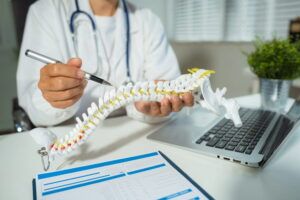

Recovering after spine surgery is a critical period that requires careful attention to ensure the best possible outcome. Whether you have undergone a minimally invasive procedure or a more complex spinal fusion, the steps you take following surgery directly influence your healing process. Patients in Bloomfield, and Englewood, Union City, NJ, benefit from guidance by Dr. Jay Reidler and the team at Spine, Neck, & Back Specialists, who emphasize the importance of dedicated post-surgery care. This comprehensive guide will walk you through essential tips for a smooth spine surgery recovery.
Understanding the Healing Process After Spine Surgery
Spine surgery recovery is a gradual process that can vary widely depending on the type of surgery performed and your individual health status. Immediately after surgery, your body begins the natural process of healing tissues, reducing inflammation, and restoring nerve function. This initial phase may involve pain, swelling, and limited mobility. It is important to recognize that while some discomfort is expected, excessive pain or neurological symptoms should prompt immediate medical attention.
The early weeks following surgery focus on protecting the surgical site while preventing complications such as infections, blood clots, or worsening neurological symptoms. Healing can continue for several months, and full functional recovery might take even longer. Understanding this timeline helps patients maintain realistic expectations and encourages adherence to prescribed activity restrictions and rehabilitation plans. Active participation in recovery through proper care and communication with your healthcare providers will facilitate optimal healing.
Managing Pain and Medication Effectively
Proper pain management is a cornerstone of post-surgery spine care. Adequate control of pain not only improves comfort but also enables participation in rehabilitation activities essential for recovery. Your physician will typically prescribe pain medications tailored to your specific needs, often starting with stronger analgesics and gradually tapering to over-the-counter options as healing progresses.
It is critical to follow the prescribed medication regimen carefully and avoid self-medicating or abrupt cessation. Discuss any side effects or concerns with your medical team, especially if you have preexisting conditions or are taking other medications. Additionally, non-pharmacological pain management techniques such as cold therapy, gentle stretching, and relaxation exercises can complement medication use and reduce reliance on painkillers. Monitoring your pain and communicating changes regularly supports adjustments in your treatment plan for better outcomes.
Maintaining Mobility While Protecting Your Spine
A balance between rest and movement is essential after spine surgery. Initially, rest is necessary to allow the surgical site to begin healing without strain. However, prolonged inactivity can lead to stiffness, muscle weakness, and an increased risk of complications such as blood clots. Gradually reintroducing mobility through guided physical therapy and gentle daily activities encourages circulation, strengthens muscles supporting the spine, and prevents joint stiffness.
Physical therapy programs are typically customized to your surgery type and recovery stage. They may include exercises to improve flexibility, strength, and posture. It is vital to follow professional guidance carefully and avoid activities that place excessive stress on your spine, such as heavy lifting, bending, or twisting. Your healthcare provider will advise on appropriate positions for sitting, standing, and sleeping to maintain spinal alignment and reduce discomfort during recovery.
Wound Care and Infection Prevention
Proper care of your surgical wound is crucial to prevent infections, which can significantly delay healing and complicate recovery. Keep the incision clean and dry, and follow your surgeon’s instructions on when and how to change dressings. Avoid soaking the wound until cleared by your healthcare provider, and be cautious about any activities that might expose the area to dirt or bacteria.
Signs of infection may include redness, swelling, warmth, discharge, or fever. If you notice any of these symptoms, contact your medical team promptly. Maintaining good hygiene, avoiding smoking, and ensuring proper nutrition support your immune system in fighting infections and promoting tissue repair. Adhering to wound care guidelines and attending scheduled follow-up appointments allows early detection and management of any potential issues.
Nutrition and Lifestyle Choices to Support Healing
Nutrition plays an important role in spine surgery recovery by providing the building blocks your body needs to repair tissues and maintain energy. A balanced diet rich in protein, vitamins (especially A and C), minerals like zinc, and adequate hydration fosters cellular regeneration and immune function. Avoiding processed foods, excessive sugar, and alcohol can prevent inflammation and support optimal healing.
Lifestyle factors such as smoking cessation and stress management significantly impact recovery outcomes. Smoking constricts blood vessels, reducing oxygen delivery to healing tissues and increasing complication risks. Stress, on the other hand, can impair immune responses and prolong pain perception. Employing relaxation techniques, seeking emotional support, and establishing a consistent sleep routine contribute positively to your recovery experience.
Preparing for Follow-Up Care and Rehabilitation
Post-surgery recovery does not end when you leave the hospital; follow-up care and rehabilitation are vital components of successful spine surgery outcomes. Regular check-ups allow your surgeon to monitor healing progress, adjust treatment plans, and address any emerging concerns. Physical therapy is often an integral part of this phase, designed to restore strength, mobility, and function while preventing future injuries.
Stay proactive by attending all scheduled appointments and communicating openly about your symptoms and challenges. Rehabilitation exercises prescribed by your therapist should be performed consistently and with proper technique. Patience is essential, as recovery may involve setbacks or gradual progress. Keeping motivated and maintaining close collaboration with your healthcare team ensures the best long-term results.
Patients recovering from spine surgery in Bloomfield, Englewood, and Union City, NJ, benefit greatly from understanding and applying these post-surgery care tips. Guidance from experts such as Dr. Jay Reidler at Spine, Neck, & Back Specialists helps smooth the recovery journey. We are currently accepting CIGNA PPO and many other insurance plans—please contact us for assistance.
Resources
Anderson, D. G., & Hughes, A. M. (2016). Postoperative Care in Spinal Surgery: Evidence-Based Guidelines. Spine Health Journal.
Miller, J. M., & Smith, R. C. (2018). Pain Management Strategies After Spine Surgery. Journal of Pain Research.
Thompson, N. J., & Brown, T. K. (2020). Nutrition and Lifestyle Modifications for Surgical Recovery. Clinical Nutrition Insights.