
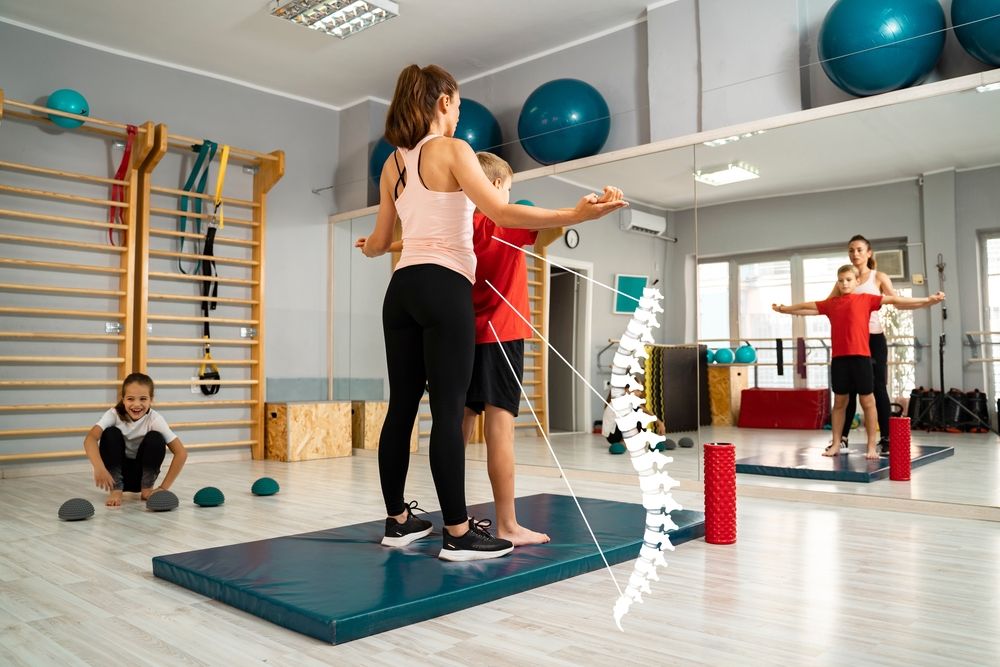
Maintaining a healthy spine is essential for overall well-being and mobility, especially as we age or engage in daily activities that can strain our backs. At Spine, Neck, & Back Specialists, serving Bloomfield, Englewood, and Union City, NJ, we understand how important spinal health is to living a pain-free and active life. Engaging in targeted exercises can play a crucial role in strengthening the muscles that support the spine, enhancing flexibility, and preventing injury. This blog explores several key exercises and strategies designed to improve spine health and reduce the risk of common injuries.
Understanding the Importance of Spine Health
The spine is the central support structure of the body, protecting the spinal cord and enabling movement and flexibility. It consists of vertebrae, discs, muscles, ligaments, and nerves that all work together to maintain posture and absorb shock. Poor posture, sedentary lifestyles, or improper lifting techniques can lead to spinal problems such as herniated discs, muscle strains, and chronic pain. Therefore, nurturing spine health through preventive exercises is critical to avoid discomfort and long-term injury.
Beyond just pain prevention, healthy spinal function affects daily activities like walking, sitting, and bending. A strong and flexible spine promotes better balance and coordination, decreasing the likelihood of falls, especially among older adults. In addition, exercises targeting the spine often contribute to improved circulation and mental well-being, reinforcing the body-mind connection that supports overall health.
Core Strengthening Exercises for Spinal Support
The muscles surrounding the spine, including the core, play a vital role in maintaining spinal alignment and absorbing mechanical stress. Core muscles—comprising the abdominals, obliques, and lower back muscles—work as a natural brace to support the spine. Strengthening these muscles reduces the burden on spinal discs and ligaments, preventing injury.
One fundamental exercise is the plank, which engages the entire core while teaching proper body alignment. Begin with a forearm plank, holding the position for 20-30 seconds, gradually increasing the duration as strength builds. Bird-dog exercises also help stabilize the spine by activating the lower back and glute muscles. Starting on hands and knees, extend one arm forward while simultaneously extending the opposite leg backward, then alternate sides. These movements improve balance and coordination while reinforcing spinal support.
Bridges are another effective exercise to strengthen the gluteal muscles and lower back. Lying on your back with knees bent and feet flat on the floor, lift your hips toward the ceiling while keeping your core engaged. Hold for a few seconds before lowering down slowly. Consistency with these exercises can enhance spinal stability, reduce lower back pain, and improve posture.
Stretching and Flexibility to Maintain Spinal Mobility
Flexibility is equally important for spinal health because it maintains the range of motion necessary for daily activities and reduces stiffness that can lead to injury. Stretching exercises target the muscles and ligaments surrounding the spine, increasing circulation and promoting tissue elasticity.
A simple yet effective stretch is the cat-cow pose, often used in yoga practice. Starting on hands and knees, alternate between arching your back upward (cat) and dipping it downward (cow), coordinating the movement with your breath. This dynamic stretch helps mobilize the spine, relieves tension, and improves posture.
Hamstring stretches also benefit spinal health, as tight hamstrings can pull on the pelvis and cause misalignment or increased strain on the lower back. Sitting with one leg extended and reaching toward the toes, holding the position without bouncing, gradually lengthens these muscles. Gentle twisting stretches, such as lying on your back and rotating your knees side to side, can further enhance spinal mobility and ease tension in the lower back region.
Posture Correction Through Mindful Movement
Good posture plays a significant role in spinal health by evenly distributing weight and minimizing undue pressure on spinal structures. Poor posture, often resulting from prolonged sitting or improper ergonomics, leads to muscle imbalances and spinal misalignment.
Incorporating posture awareness into daily life involves training the body to maintain a neutral spine position. This means keeping the ears aligned over the shoulders, shoulders over hips, and maintaining a natural curve in the lower back. Exercises that reinforce this alignment, such as wall angels, can be very helpful. Stand with your back against a wall, keeping the head, shoulders, and hips touching it, then slowly raise and lower your arms, mimicking a “snow angel” motion. This activity strengthens postural muscles and increases awareness.
Additionally, practicing balance exercises like standing on one foot or using a stability ball can improve core strength and posture simultaneously. Over time, these habits can reduce the risk of postural-related spinal injuries, including disc herniations and muscle strains.
Tips for Preventing Spinal Injury During Exercise and Daily Activities
Even the best exercises can lead to injury if performed incorrectly or without proper care. Preventing spinal injury requires attention to technique, gradual progression, and listening to your body’s signals.
When lifting objects, always use your legs rather than your back by bending at the knees and keeping the load close to your body. Avoid twisting while lifting, as this can strain spinal discs. Warming up before exercise and cooling down afterward helps prepare muscles and ligaments for activity, reducing the risk of sprains and strains.
Incorporating regular breaks during long periods of sitting or standing can prevent stiffness and promote circulation. Ergonomic adjustments, such as chair height and monitor placement, also contribute to spinal health in workplace settings. Staying hydrated and maintaining a healthy weight further support the spine by reducing pressure on joints and discs.
At Spine, Neck, & Back Specialists, we emphasize the importance of combining these strategies with targeted exercise routines to create a comprehensive approach to spine health and injury prevention.
Resources
McGill, S. M. (2007). Low Back Disorders: Evidence-Based Prevention and Rehabilitation. Human Kinetics.
Cholewicki, J., & McGill, S. M. (1996). Mechanical stability of the in vivo lumbar spine: implications for injury and chronic low back pain. Clinical Biomechanics, 11(1), 1-15.
Nachemson, A. (1992). The Lumbar Spine: Mechanical and Clinical Studies. Lippincott Williams & Wilkins.