
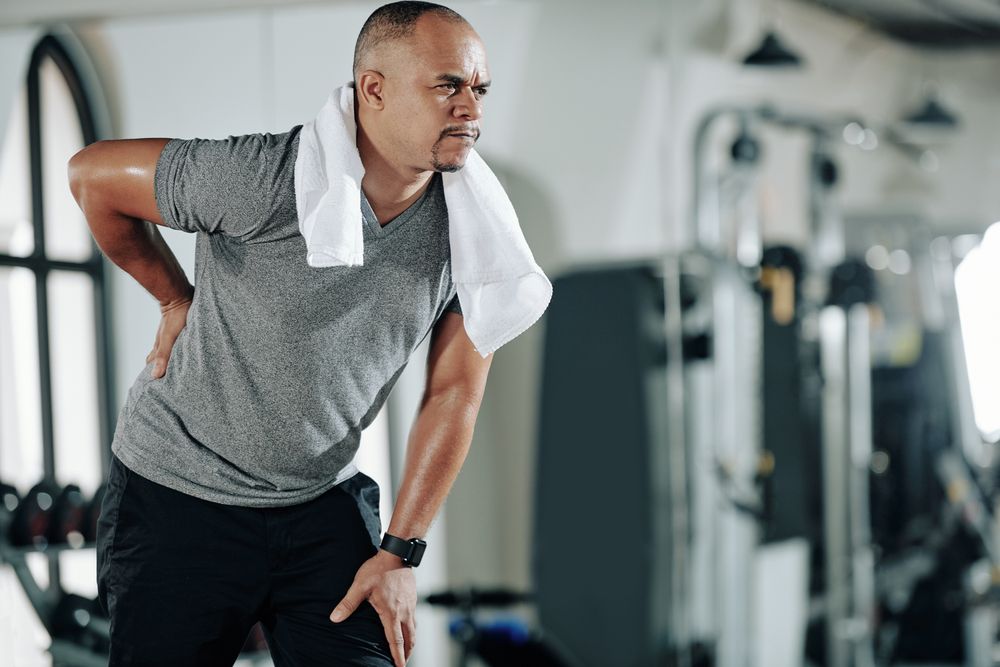
Living with back pain can often feel like a barrier to staying active, but maintaining movement is crucial for spinal health and overall well-being. At Spine, Neck, & Back Specialists, serving Bloomfield, Englewood, and Union City, NJ, we understand the challenges that back pain brings. Staying active, even with discomfort, can help reduce pain, improve mobility, and prevent further injury. This guide offers practical tips and expert advice to help you keep your spine healthy while managing back pain.
Understanding the Importance of Staying Active with Back Pain
Many people assume that back pain requires complete rest, but inactivity can actually worsen symptoms. When you avoid movement, muscles around the spine weaken, joints become stiff, and circulation decreases, all of which can exacerbate pain and delay recovery. Staying active helps maintain flexibility, strengthens supporting muscles, and promotes proper posture, all essential for a healthy spine.
However, the key is to balance activity with caution. Overexertion or incorrect movements can increase discomfort, so understanding safe ways to stay active is important. Activities that support spinal health often involve low-impact exercises that encourage gentle stretching and muscle engagement without putting excessive strain on the back. Maintaining an active lifestyle tailored to your specific condition is essential for managing pain and promoting long-term spinal wellness.
Choosing the Right Exercises for Back Pain
Selecting appropriate exercises is fundamental to staying active without aggravating back pain. Low-impact aerobic activities such as walking, swimming, and cycling can increase blood flow to spinal tissues and reduce stiffness. These activities also support cardiovascular health without jarring the spine.
In addition to aerobic exercises, targeted strength training plays a vital role. Strengthening the core muscles, which include the abdominal, back, and pelvic muscles, helps stabilize the spine and distribute load more evenly. Core exercises like pelvic tilts, bridges, and gentle abdominal contractions can improve posture and reduce pressure on spinal discs.
Flexibility exercises such as gentle yoga or stretching routines also aid in maintaining range of motion. Stretching tight muscles—like the hamstrings, hip flexors, and lower back—can alleviate tension and prevent strain. However, it’s important to avoid extreme stretches that push your pain limits. Consistency is key; short daily sessions focusing on safe, controlled movements will yield better results than infrequent, intense workouts.
Incorporating Movement into Daily Life
Beyond structured exercise, incorporating movement into your daily routine can significantly impact your spinal health. Prolonged sitting or standing in one position often worsens back pain due to muscle fatigue and poor posture. Making simple adjustments such as standing up every 30 minutes, using an ergonomic chair, or setting reminders to stretch can help keep your spine healthy.
Maintaining good posture while working, driving, or performing household tasks reduces unnecessary stress on the back. When sitting, keep your feet flat on the floor, back supported, and shoulders relaxed. If you stand for extended periods, distribute your weight evenly and consider using a footrest to relieve lower back strain.
Additionally, mindful body mechanics during everyday activities are crucial. When lifting objects, bend your knees and keep the item close to your body, avoiding twisting motions. These small changes in movement habits can protect your spine and minimize pain flare-ups.
Managing Pain to Stay Active
Pain management is an essential component of staying active with back pain. Understanding the difference between discomfort that signals harm and the mild soreness of exercise is important. Mild, manageable discomfort during or after activity can be a normal part of strengthening and improving flexibility, but sharp or severe pain should never be ignored.
Several pain relief strategies can support activity, including heat or cold therapy, over-the-counter medications, and relaxation techniques like deep breathing or meditation. Heat packs can loosen tight muscles and improve circulation, while cold packs help reduce inflammation. These therapies applied before or after activity can enhance comfort and promote movement.
Listening to your body and pacing yourself is vital. Gradually increase the duration and intensity of activity to avoid setbacks. If pain worsens, adjusting your exercise plan or consulting with a healthcare provider for personalized advice ensures your approach remains safe and effective.
The Role of Professional Guidance
While self-management is possible, professional guidance can greatly improve outcomes for those living with back pain. Healthcare providers can assess your condition, identify underlying causes, and recommend appropriate exercises or therapies tailored to your needs. They may also address biomechanical issues, provide manual therapy, or suggest interventions that support your spine’s health.
Incorporating expert advice into your activity routine helps prevent injury and ensures you are targeting the right muscle groups. A personalized plan considers your pain level, physical abilities, and lifestyle, making it easier to stay motivated and consistent.
Resources
- Airaksinen, O., Brox, J. I., Cedraschi, C., Hildebrandt, J., Klaber-Moffett, J., Kovacs, F., … & Ursin, H. (2006). European guidelines for the management of chronic nonspecific low back pain. European Spine Journal, 15(S2), S192-S300.
- Hayden, J. A., van Tulder, M. W., Malmivaara, A., & Koes, B. W. (2005). Exercise therapy for treatment of non-specific low back pain. Cochrane Database of Systematic Reviews, (3).
- Shmagel, A., Foley, R., & Ibrahim, H. (2016). Epidemiology of Chronic Low Back Pain in US Adults: Data From the 2009-2010 National Health and Nutrition Examination Survey. Arthritis Care & Research, 68(11), 1688-1694.