Chronic back pain is one of the most common medical conditions affecting adults, often impacting daily activities, productivity, and overall quality of life. At Spine, Neck, & Back Specialists, serving Bloomfield, Englewood, Kearny, Union City, and Teaneck, NJ, ongoing research and medical innovation are transforming the way chronic back pain is managed. For decades, treatment options were limited to medications, physical therapy, or invasive surgery, with varying degrees of effectiveness. Today, a new generation of therapies focuses on precision, minimally invasive procedures, and personalized care, offering hope for long-term relief and improved mobility.
Dr. Jay Reidler and other spine specialists are closely following advances that combine technology, biology, and targeted interventions. These cutting-edge approaches aim not only to reduce pain but also to address the underlying causes of chronic spinal conditions. Patients and clinicians are now exploring treatments that are safer, more effective, and designed to restore function, making long-term management of back pain more feasible than ever before.
Regenerative Medicine Approaches
One of the most promising areas in chronic back pain treatment is regenerative medicine. Techniques such as platelet-rich plasma (PRP) therapy, stem cell injections, and biologic scaffolds are designed to promote healing in damaged spinal tissues. Instead of merely masking pain, these therapies stimulate the body’s natural repair mechanisms, encouraging tissue regeneration and improving function over time.
PRP therapy involves concentrating platelets from the patient’s own blood and injecting them into areas of injury or degeneration. This treatment can reduce inflammation and promote tissue healing, offering potential relief for conditions such as degenerative disc disease and facet joint arthritis. Similarly, stem cell therapies utilize specialized cells that can differentiate into spinal tissue, supporting regeneration in discs, ligaments, or cartilage. These approaches reflect a shift toward proactive, restorative treatments rather than purely symptomatic relief.
Advanced Minimally Invasive Procedures
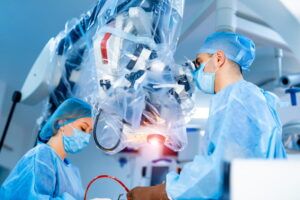
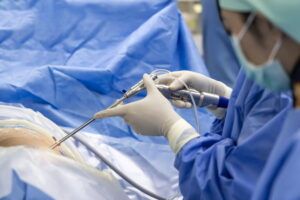
Minimally invasive spine surgery (MISS) continues to revolutionize chronic back pain care. Smaller incisions, enhanced visualization, and precise instrumentation reduce tissue damage, postoperative pain, and recovery time. MISS techniques allow surgeons to address herniated discs, spinal stenosis, and other structural causes of back pain with greater accuracy and fewer complications.
Key benefits of minimally invasive approaches include:
- Reduced hospital stays and faster recovery
- Lower risk of infection and tissue trauma
- Precise correction of structural spinal problems
- Improved long-term functional outcomes
For patients with persistent pain who have not responded to conservative therapies, these procedures offer a targeted solution while minimizing disruption to surrounding tissues. By combining surgical precision with less invasive techniques, MISS represents a major advancement in chronic back pain management.
Neuromodulation and Pain Management Technologies
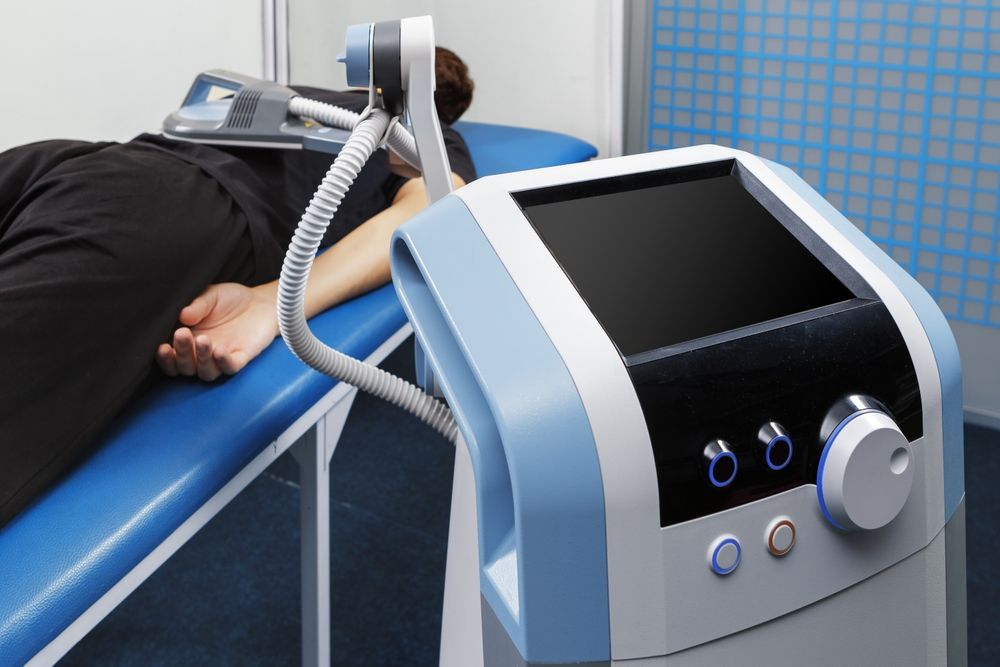
Neuromodulation therapies are increasingly recognized as effective interventions for chronic back pain. Spinal cord stimulation (SCS), peripheral nerve stimulation, and other implantable devices modulate nerve activity to reduce pain perception. These technologies target specific pain pathways, allowing patients to experience relief without relying solely on medications.
SCS involves placing electrodes near the spinal cord to deliver electrical impulses that interrupt pain signals before they reach the brain. Patients can often adjust stimulation levels to optimize relief for different activities. Other neuromodulation techniques, such as dorsal root ganglion stimulation, provide more targeted control for localized pain. These innovations are particularly beneficial for patients with complex or refractory pain conditions, offering a non-pharmacologic option that improves quality of life.
Personalized Pain Management Plans
Modern chronic back pain treatment emphasizes individualized care, integrating multiple therapies tailored to each patient’s unique needs. Physicians consider factors such as underlying spinal pathology, lifestyle, medical history, and response to previous interventions. By combining regenerative medicine, minimally invasive procedures, neuromodulation, and physical rehabilitation, personalized plans provide a comprehensive approach to managing pain and restoring function.
This individualized strategy ensures that patients receive the most appropriate and effective interventions while minimizing unnecessary procedures. Personalized care also allows for ongoing monitoring and adjustment, ensuring long-term improvement and patient satisfaction. The focus on holistic management reflects a broader shift in medicine toward treatments that address the root causes of chronic pain rather than simply alleviating symptoms.
The Future of Back Pain Treatment in New Jersey
Cutting-edge treatments are transforming chronic back pain care, offering hope for patients who have struggled with long-term discomfort and limited mobility. At Spine, Neck, & Back Specialists, serving Bloomfield, Englewood, Kearny, Union City, and Teaneck, NJ, innovations in regenerative medicine, minimally invasive surgery, and neuromodulation are shaping a future where pain relief is safer, more precise, and more effective. Understanding these advancements highlights the evolving landscape of spine care, emphasizing proactive, individualized approaches that prioritize both function and quality of life.
Resources:
McLaughlin, K. A., & Nolen-Hoeksema, S. (2011). Rumination as a Transdiagnostic Factor in Depression and Anxiety. Behavior Researcher and Therapy.
Cao, J., et al. (2020). Regenerative Medicine Approaches for Chronic Low Back Pain. Journal of Spine Research.
North, R. B., et al. (2016). Advances in Neuromodulation for Chronic Back Pain. Pain Medicine Journal.