
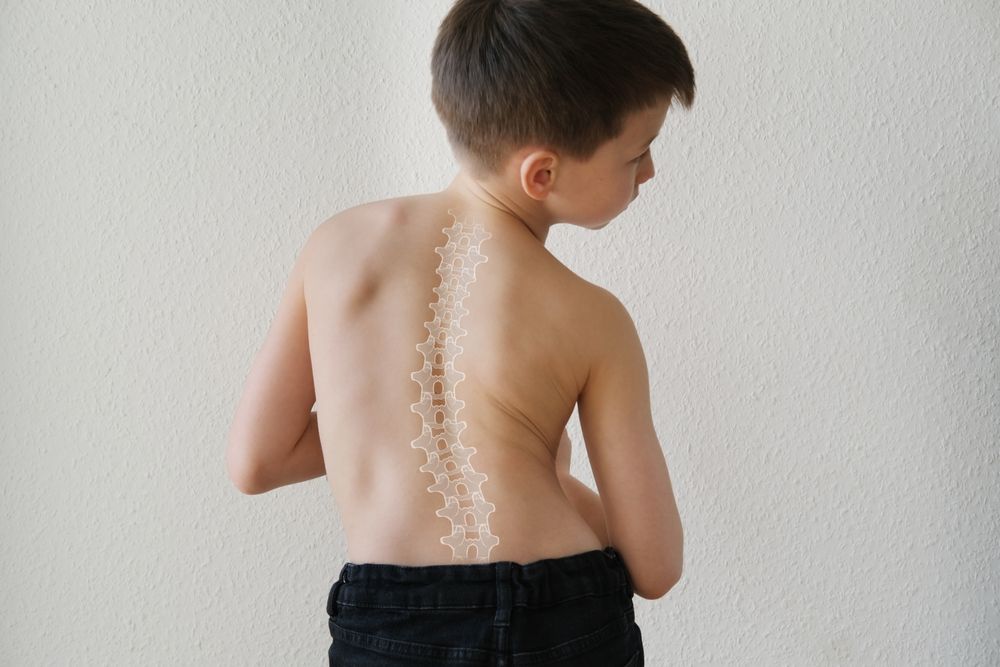
At Spine, Neck, & Back Specialists, serving families in Bloomfield, Englewood, Kearny, Union City, and Teaneck, NJ, pediatric scoliosis treatment has seen remarkable advancements in recent years. Scoliosis, a condition characterized by an abnormal curvature of the spine, can affect children in ways that impact growth, posture, and overall health. Historically, treatment options ranged from bracing to invasive spinal fusion surgery, each with varying outcomes and recovery times. Today, cutting-edge surgical techniques, technologies, and research are transforming the landscape of pediatric scoliosis care, offering improved precision, safety, and long-term results.
Dr. Jay Reidler and other spine specialists are witnessing firsthand how these innovations are reshaping possibilities for young patients. The focus is not only on correcting spinal curvature but also on minimizing trauma, preserving spinal mobility, and optimizing growth and development. Families now have access to more targeted and effective surgical interventions, guided by advanced imaging and technology.
Growth-Friendly Surgical Techniques
One of the most significant advancements in pediatric scoliosis surgery is the development of growth-friendly techniques. Traditional spinal fusion, while effective at correcting curvature, can restrict spinal growth and mobility in children. Growth-friendly methods aim to stabilize the spine while allowing continued development, which is especially important for younger patients.
Technologies such as growing rods and magnetically controlled devices provide a dynamic approach to scoliosis management. These devices can be adjusted over time without repeated invasive surgeries, reducing the overall number of procedures and associated risks. By accommodating growth, these techniques preserve flexibility and improve long-term quality of life. Early intervention using growth-friendly methods can also prevent severe spinal deformities from developing, offering a proactive approach to pediatric care.
Enhanced Imaging and Navigation
Advanced imaging and surgical navigation tools have revolutionized pediatric scoliosis surgery. High-resolution imaging, including 3D CT scans and intraoperative fluoroscopy, allows surgeons to plan procedures with unprecedented detail. These tools provide a clear roadmap for spinal correction, ensuring precise placement of screws, rods, and other instrumentation.
Surgical navigation systems integrate preoperative imaging with real-time feedback during procedures, enhancing accuracy and safety. By visualizing the spine in multiple dimensions, surgeons can reduce the risk of nerve injury, avoid unnecessary tissue damage, and achieve more consistent outcomes. These improvements not only enhance surgical precision but also contribute to faster recovery and reduced complications for young patients.
Minimally Invasive Approaches
Minimally invasive surgery (MIS) is gaining traction in pediatric scoliosis treatment due to its many advantages over traditional open procedures. MIS techniques involve smaller incisions, less muscle disruption, and more targeted correction of spinal curvature. This approach can lead to less postoperative pain, shorter hospital stays, and quicker returns to normal activities, which is particularly beneficial for children who need to maintain an active lifestyle.
The combination of minimally invasive techniques with advanced surgical navigation allows for highly precise corrections with minimal collateral damage to surrounding tissues. These innovations are transforming the recovery experience for pediatric patients, making scoliosis surgery less intimidating for families and improving long-term spinal function.
Personalized Treatment Plans
Every child with scoliosis has a unique spinal curvature, growth pattern, and overall health profile. Modern surgical planning emphasizes individualized care, tailoring interventions to the specific needs of each patient. Surgeons consider factors such as curve severity, skeletal maturity, and overall physical development when designing a treatment plan.
In practice, this means that surgical strategies may include a combination of growth-friendly devices, minimally invasive approaches, and precise navigation technologies. Personalized treatment not only enhances surgical outcomes but also promotes better long-term spinal health, reducing the likelihood of complications or the need for revision procedures. Families benefit from comprehensive care plans that balance correction, mobility, and growth.
Emerging Technologies and the Future
Looking ahead, research and innovation continue to drive progress in pediatric scoliosis surgery. Emerging technologies include robotic-assisted systems, enhanced 3D modeling, and the integration of artificial intelligence for surgical planning. These tools are expected to further improve surgical precision, reduce complications, and streamline postoperative recovery.
As these advancements mature, pediatric patients may experience shorter surgeries, fewer hospital visits, and even more effective spinal correction. Continued investment in research and technology ensures that scoliosis care remains dynamic, adaptive, and patient-centered, offering hope and improved quality of life for children and their families.
Advancing Pediatric Spine Care in New Jersey
The field of pediatric scoliosis surgery is rapidly evolving, providing innovative solutions for young patients in Bloomfield, Englewood, Kearny, Union City, and Teaneck, NJ. At Spine, Neck, & Back Specialists, the focus on emerging technologies, growth-friendly techniques, and individualized treatment reflects a commitment to improving outcomes and enhancing quality of life for children with spinal deformities. As research continues to push the boundaries of what is possible, families can remain hopeful about the future of scoliosis care.
Resources:
McLaughlin, K. A., & Nolen-Hoeksema, S. (2011). Rumination as a Transdiagnostic Factor in Depression and Anxiety. Behavior Researcher and Therapy.
Newton, P. O., et al. (2019). Growth-Friendly Surgical Techniques for Early-Onset Scoliosis. Spine Deformity.
Huang, R., et al. (2021). Advances in Minimally Invasive Pediatric Scoliosis Surgery. Journal of Pediatric Orthopedics.