Scoliosis is a medical condition in which the spine curves sideways, often developing during childhood or adolescence. While mild cases may go unnoticed, more severe curvature can lead to chronic pain, posture issues, and complications with mobility and internal organs. Understanding scoliosis early is essential, as timely detection allows for interventions that can prevent progression and improve quality of life. Residents in Bloomfield, Englewood, Union City, NJ, and Bergen County should be especially aware of the signs and seek evaluation when necessary. Spine, Neck, & Back Specialists, under the guidance of Dr. Jay Reidler, emphasizes the significance of early diagnosis in preserving long-term spinal health.
Scoliosis may manifest in subtle ways, such as uneven shoulders, one hip appearing higher than the other, or a slight leaning of the body to one side. While genetics can play a role, environmental factors and growth patterns also influence the development of spinal curvature. Recognizing these early indicators enables healthcare professionals to monitor the spine more closely and determine whether interventions, such as conservative back treatment, are appropriate.
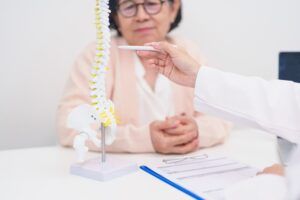
Routine evaluations, particularly during growth spurts in adolescence, are critical. Pediatricians and specialists can measure spinal alignment through physical exams and imaging tests. Early detection often leads to less invasive treatment options, potentially avoiding more complex procedures later on.
Symptoms and Early Warning Signs
Identifying scoliosis early requires attention to specific physical signs and symptoms. Children and adolescents with scoliosis may experience uneven clothing fit, back or shoulder discomfort, and visible curvature when bending forward. These indicators, while sometimes subtle, should prompt further assessment by a medical professional. Adults may experience back pain or neck pain as their primary symptoms, particularly if scoliosis was undiagnosed during childhood.
In some cases, scoliosis progresses silently, emphasizing the need for routine check-ups. Early symptoms may be missed, particularly in individuals with no noticeable discomfort. For this reason, physical examinations and imaging techniques, such as X-rays or MRI scans, are essential tools for detecting abnormal spinal curvature. Monitoring progression over time can guide treatment decisions, whether through pediatric scoliosis surgery or other interventions.
Scoliosis can also affect posture and balance. A curved spine alters the body’s center of gravity, which may lead to fatigue, muscular strain, and difficulty performing daily activities. Recognizing these functional challenges early allows healthcare providers to implement strategies aimed at preventing further complications.
Diagnostic Methods for Scoliosis
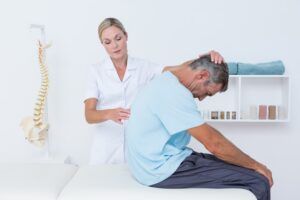
Accurate scoliosis diagnosis typically begins with a physical examination. Specialists observe posture, shoulder height, and spinal alignment while asking the patient to bend forward, a technique known as the Adam’s Forward Bend Test. This initial evaluation helps identify abnormal curvature and determine whether imaging studies are warranted.
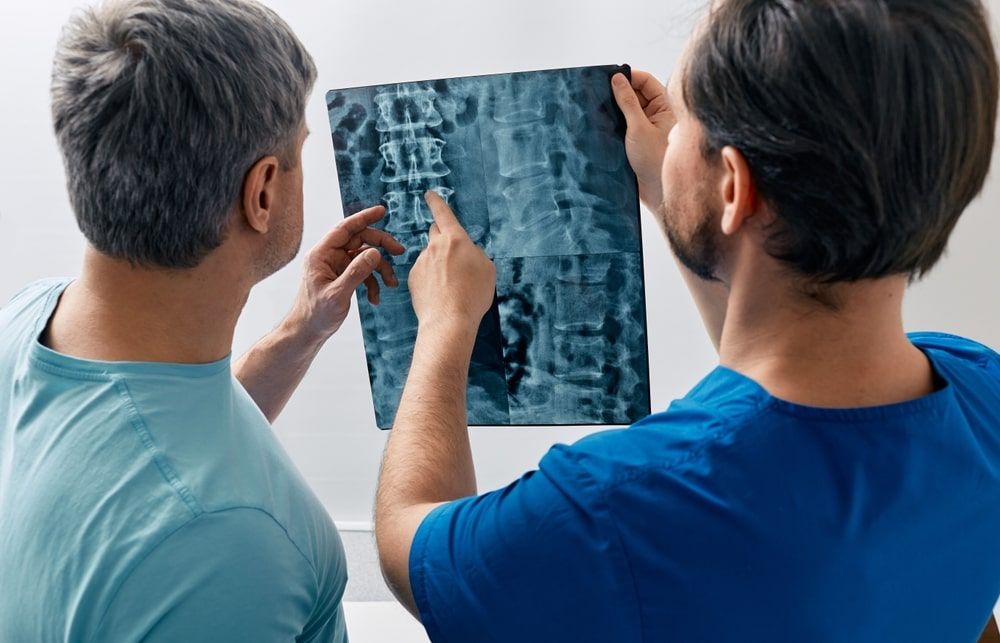
Advanced diagnostic methods, including X-rays and MRI scans, provide detailed information about the severity, location, and type of curvature. These imaging tools allow physicians to distinguish between idiopathic scoliosis, congenital scoliosis, and neuromuscular scoliosis. For patients who require surgical intervention, technologies like robotic spine surgery and minimally invasive surgery may be considered, depending on the complexity of the spinal deformity.
Additionally, specialists assess flexibility, muscle strength, and the impact of spinal curvature on internal organs. This holistic approach ensures that patients receive a comprehensive evaluation and a tailored treatment plan. Early diagnosis is critical not only for medical intervention but also for monitoring changes over time, which can influence the choice between conservative care and surgical options.
Treatment Options and Importance of Early Intervention
Once scoliosis is diagnosed, treatment depends on the degree of curvature, age, and overall health of the patient. Mild cases may benefit from conservative back treatment, including physical therapy, bracing, and postural exercises. Early intervention helps prevent progression and minimizes the risk of long-term pain or functional impairment.
For moderate to severe scoliosis, surgical options may be necessary. Types of spine surgery, including pediatric procedures, aim to correct spinal alignment and stabilize the spine. Following surgery, a structured spine surgery recovery plan is essential to ensure proper healing and restore mobility. Patients with scoliosis related to occupational injuries may also benefit from specialized programs like workers’ comp back injury recovery.
Early detection allows for less aggressive interventions and better long-term outcomes. Timely monitoring and treatment can prevent the need for more complex procedures and reduce the likelihood of chronic pain. Educating patients and families about the warning signs and available options is crucial in supporting spinal health and maintaining quality of life.
Conclusion
Early detection of scoliosis is essential for preventing long-term complications and maintaining optimal spinal health. Recognizing symptoms, performing regular screenings, and seeking timely evaluations ensure that patients receive the most effective interventions. Residents in Bloomfield, Englewood, Union City, NJ, and Bergen County can benefit from awareness of scoliosis signs and the importance of proactive care. Spine, Neck, & Back Specialists, led by Dr. Jay Reidler, encourages education and vigilance to support spinal wellness at every stage of life.
Resources:
McLaughlin, K. A., & Nolen-Hoeksema, S. (2011). Rumination as a Transdiagnostic Factor in Depression and Anxiety. Behavior Researcher and Therapy.
Weinstein, S. L., Dolan, L. A., Wright, J. G., & Dobbs, M. B. (2008). Effects of Bracing in Adolescents with Idiopathic Scoliosis. New England Journal of Medicine.
Negrini, S., Donzelli, S., Aulisa, A. G., et al. (2018). 2016 SOSORT Guidelines: Orthopaedic and Rehabilitation Treatment of Idiopathic Scoliosis During Growth. Scoliosis and Spinal Disorders.