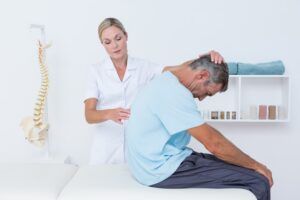
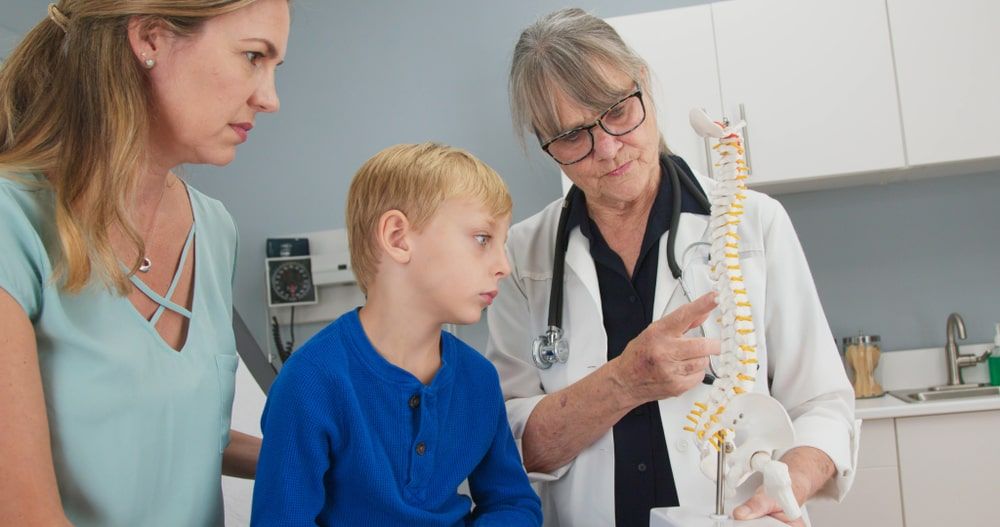
Pediatric scoliosis refers to an abnormal sideways curvature of the spine that develops in children and adolescents. While mild curves may not require immediate intervention, more severe cases can progress quickly during periods of rapid growth. Understanding the nature of pediatric scoliosis is essential for parents and caregivers, as early recognition and monitoring can prevent complications and support proper spinal development. Residents of Bloomfield, Englewood, Union City, NJ, and Bergen County should be aware of the importance of regular evaluations to detect scoliosis early. Spine, Neck, & Back Specialists, under Dr. Jay Reidler, emphasizes education and early assessment as key to effective management.
Children with scoliosis may display uneven shoulders, tilted hips, or a noticeable curve when bending forward. Although some cases have a genetic component, many are classified as idiopathic, meaning the cause is unknown. Regardless of the origin, careful monitoring and timely intervention are crucial. Early detection can reduce the need for extensive surgical procedures and improve overall outcomes.
Scoliosis can impact a child’s posture, balance, and, in severe cases, lung and heart function. Recognizing early signs allows for appropriate evaluation and a tailored treatment plan, which may include conservative back treatment or, when necessary, pediatric scoliosis surgery.
Common Questions About Pediatric Scoliosis Surgery
Parents and caregivers often have questions about the need, risks, and outcomes of pediatric scoliosis surgery. Understanding these aspects helps families make informed decisions in collaboration with medical specialists. One of the most common questions is, “When is surgery necessary?” Surgery is typically considered when the spinal curve is severe, rapidly progressing, or causing physical complications such as pain or impaired lung function. In some cases, bracing or conservative back treatment may be sufficient, but surgery provides long-term stability for significant curves.
Another frequent question is about the types of procedures available. Types of spine surgery include spinal fusion and minimally invasive techniques, which aim to correct curvature, stabilize the spine, and prevent further progression. Innovations like robotic spine surgery allow for greater precision, potentially reducing recovery time and improving outcomes. Each patient’s surgical plan is personalized based on age, curve severity, and overall health.
Parents also want to know about the risks and benefits. While all surgeries carry potential complications, pediatric scoliosis surgery is generally safe when performed by experienced specialists. Benefits include improved spinal alignment, reduced pain, enhanced posture, and prevention of further deformity. Careful preoperative planning and postoperative monitoring, including spine surgery recovery protocols, help minimize risks and support optimal outcomes.
Preparing for Surgery
Preparation is a critical component of pediatric scoliosis surgery. Preoperative evaluations include physical examinations, imaging studies, and discussions about anesthesia and postoperative care. Specialists assess overall health, spinal flexibility, and any coexisting conditions to ensure the child is ready for surgery. Families are encouraged to ask questions and understand every aspect of the procedure, from hospitalization to recovery.
Education about the surgical process helps children feel more comfortable and reduces anxiety. Parents may also receive guidance on postoperative exercises and lifestyle modifications to support long-term spinal health. Planning for recovery involves coordinating school absences, physical therapy, and home adjustments to facilitate a safe and smooth healing process. Some children may benefit from minimally invasive approaches, which can shorten hospital stays and reduce discomfort.
Additionally, ongoing monitoring after surgery is essential to track spinal alignment and ensure proper growth. This may involve periodic X-rays, physical exams, and discussions with specialists to address any concerns. Timely follow-up helps prevent complications and ensures the child maintains mobility and strength during recovery.
Recovery and Long-Term Outlook
The recovery process after pediatric scoliosis surgery varies depending on the type of procedure and individual patient factors. Generally, children can resume light activity within weeks, with more strenuous activity gradually introduced over several months. Postoperative care focuses on pain management, gradual physical activity, and monitoring spinal healing. Programs like spine surgery recovery provide guidance for both children and parents throughout the healing process.
Long-term outcomes are typically positive, with many children experiencing improved posture, reduced pain, and increased confidence. Early surgical intervention can prevent further curvature and associated complications, allowing children to participate in normal activities safely. Education, monitoring, and adherence to recovery plans are key factors in achieving successful outcomes.
Parents often ask about the potential impact on growth and physical activity. With modern surgical techniques, most children can continue to grow normally and engage in recreational sports, though some restrictions may be recommended depending on the individual case. The goal is always to support a healthy, active lifestyle while maintaining spinal stability.
Conclusion
Pediatric scoliosis surgery is a significant but highly effective option for children with progressive or severe spinal curvature. Understanding the diagnostic process, surgical options, and recovery expectations empowers families to make informed decisions. Residents in Bloomfield, Englewood, Union City, NJ, and Bergen County benefit from awareness of these considerations and the importance of early evaluation. Spine, Neck, & Back Specialists, led by Dr. Jay Reidler, encourages education, vigilance, and proactive care to ensure the best possible outcomes for pediatric patients.
Resources:
Weinstein, S. L., Dolan, L. A., Wright, J. G., & Dobbs, M. B. (2008). Effects of Bracing in Adolescents with Idiopathic Scoliosis. New England Journal of Medicine.
Negrini, S., Donzelli, S., Aulisa, A. G., et al. (2018). 2016 SOSORT Guidelines: Orthopaedic and Rehabilitation Treatment of Idiopathic Scoliosis During Growth. Scoliosis and Spinal Disorders.
Hresko, M. T. (2013). Clinical Practice. Idiopathic Scoliosis in Adolescents. New England Journal of Medicine.