
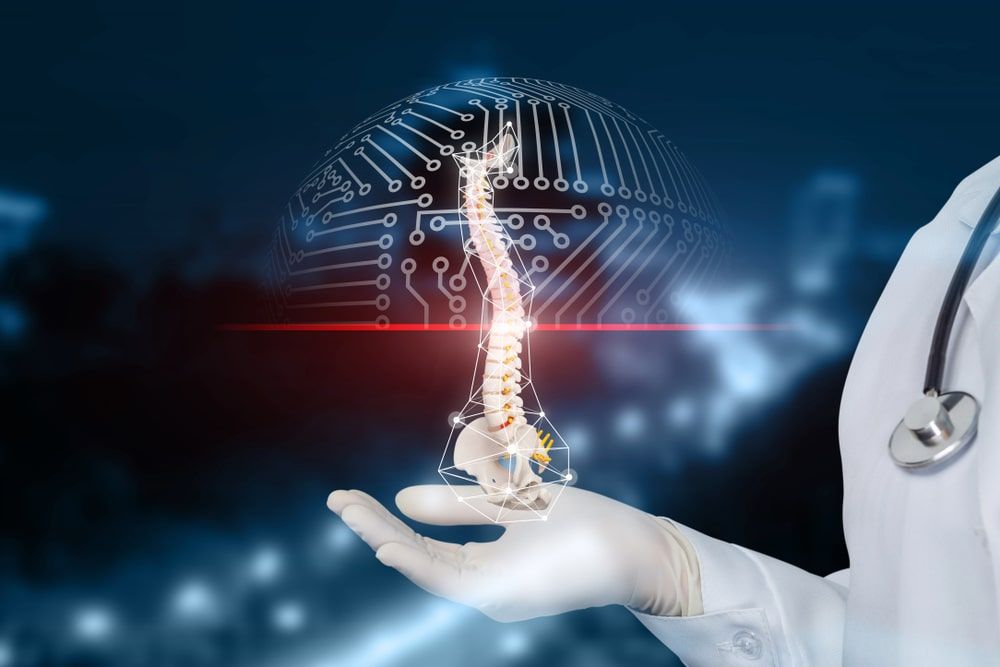
At Spine, Neck, & Back Specialists in Bloomfield, Englewood, Union City, NJ, and Bergen County, patients are increasingly curious about the latest advances in spine care. As spinal conditions such as back pain, neck pain, and scoliosis continue to affect millions, innovations in surgical and non-surgical treatments are improving outcomes and recovery times. The field of spine care has evolved tremendously, incorporating technology, robotics, and minimally invasive techniques that allow patients to return to normal life faster and with less discomfort. Understanding these advancements is essential for anyone exploring modern options for spinal health.
Robotic Spine Surgery: Precision and Safety
One of the most exciting developments in spine care is robotic spine surgery. This technology provides surgeons with unparalleled precision during complex procedures such as spinal fusion or deformity corrections. Using robotic-assisted systems, surgeons can place screws and other hardware with high accuracy, reducing the risk of nerve damage and post-operative complications. Patients benefit from smaller incisions, reduced blood loss, and often faster recovery times compared to traditional open surgery.
Robotic technology is particularly valuable in treating conditions like degenerative disc disease, scoliosis, or multi-level spinal instability. The integration of 3D imaging and navigation allows surgeons to plan procedures meticulously, adjusting in real-time as needed. For patients, this means enhanced safety, predictable outcomes, and the potential for a quicker return to daily activities. As the technology continues to improve, it is likely to become a standard component in modern spine care.
Minimally Invasive and Hybrid Techniques
In addition to robotics, minimally invasive surgery continues to transform spine care. These procedures require smaller incisions and reduce trauma to surrounding tissues, resulting in less pain, scarring, and shorter hospital stays. Surgeons can now combine minimally invasive approaches with advanced imaging and robotics to address complex spinal issues with remarkable precision.
Hybrid techniques are emerging where minimally invasive and traditional methods are combined to optimize patient outcomes. For instance, patients with severe spinal deformities or trauma may benefit from a hybrid approach that stabilizes the spine while minimizing tissue disruption. These innovations are making it possible to treat patients who previously may have faced longer recoveries or higher risks of complications, expanding the options for those suffering from chronic back pain or neck pain.
Pediatric Spine Innovations
Innovations in pediatric spine care are also reshaping treatment for young patients with spinal deformities. Procedures such as pediatric scoliosis surgery now use growth-friendly instrumentation, allowing for correction of spinal curves while accommodating continued growth. These techniques are less invasive than traditional methods and often reduce the need for multiple surgeries as a child grows.
Advanced imaging, robotics, and customized surgical planning have dramatically improved outcomes for pediatric patients. Recovery protocols now focus not only on healing but also on maintaining mobility, posture, and strength during critical developmental years. Families and caregivers benefit from a clearer understanding of what to expect, ensuring children receive the most effective, future-ready care possible.
Non-Surgical and Adjunct Innovations
Innovations in spine care are not limited to surgery. Advanced conservative treatments are becoming more effective, offering alternatives for patients who may not yet require surgical intervention. Programs in conservative back treatment emphasize targeted physical therapy, rehabilitation, and pain management strategies tailored to individual needs. These non-surgical approaches help reduce the progression of spinal conditions, delay or avoid surgery, and improve overall quality of life.
Additionally, post-surgical recovery has benefited from innovation. Spine surgery recovery protocols now integrate technology, physical therapy, and patient monitoring systems that track progress and optimize healing. Telehealth and remote monitoring tools allow clinicians to adjust recovery plans in real-time, ensuring patients receive the support they need even after leaving the hospital.
The Future of Spine Care
The future of spine care promises a continued blend of technology, precision, and personalized treatment. Advancements in robotics, imaging, and minimally invasive techniques will make surgeries safer, faster, and less disruptive. Patients can expect shorter recovery periods, improved mobility, and reduced post-operative pain.
Beyond surgery, innovations in conservative care and rehabilitation will continue to expand, providing a comprehensive approach to spinal health. As research progresses and new technologies are introduced, patients in Bloomfield, Englewood, Union City, NJ, and Bergen County can look forward to a future where spine care is more effective, less invasive, and increasingly tailored to their unique needs. At Spine, Neck, & Back Specialists, understanding these innovations is an essential step toward informed decisions and long-term spinal wellness.
Resources
Frymoyer, J. W. (1992). Back Pain and Sciatica. New England Journal of Medicine, 326(16), 1118-1123.
Deyo, R. A., & Weinstein, J. N. (2001). Low Back Pain. New England Journal of Medicine, 344(5), 363-370.
McAfee, P. C., & Regan, J. J. (2003). Minimally Invasive Spine Surgery: Current Techniques and Future Directions. Spine Journal, 3(6), 431-440.