
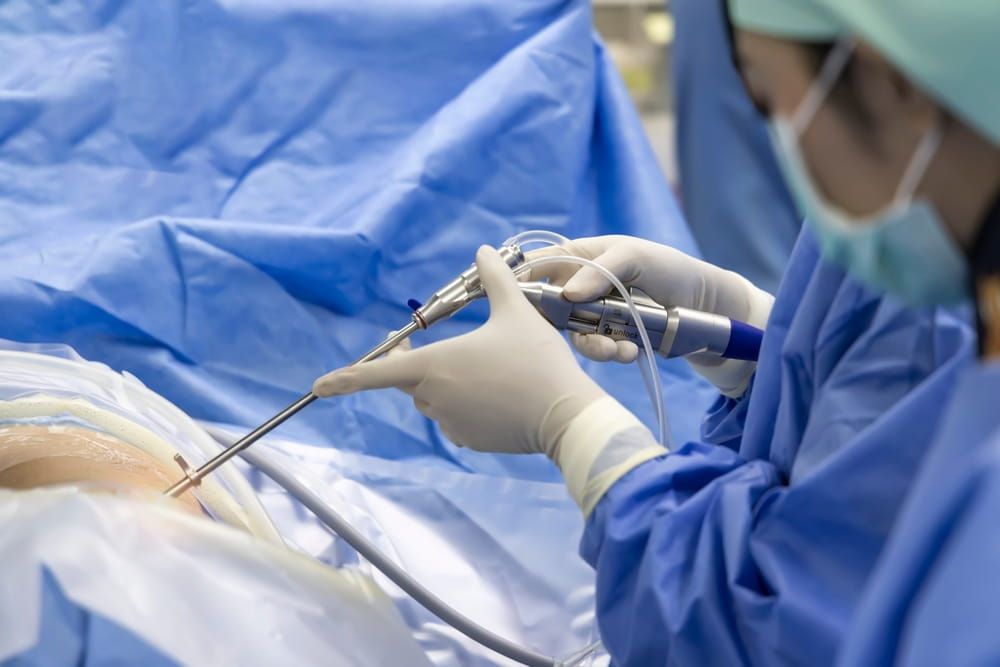
Spinal conditions that cause chronic pain or neurological symptoms can significantly impact daily life, especially when conservative care is no longer providing relief. At Spine, Neck, & Back Specialists in Bloomfield, Englewood, Union City, and Bergen County, NJ, Dr. Jay Reidler helps patients better understand modern approaches to spine care, including when surgical intervention may be considered. One of the most important advancements in recent decades is minimally invasive spine surgery, which is designed to reduce tissue disruption while addressing structural spinal problems.
Unlike traditional open procedures, minimally invasive techniques use smaller incisions and specialized instruments to access the spine. This approach aims to minimize muscle damage, reduce blood loss, and potentially shorten recovery times. However, it is not appropriate for every condition or every patient. Understanding how and when it is used begins with a clear evaluation of symptoms, imaging results, and overall spinal health.
Conditions That May Lead to Surgical Consideration
Minimally invasive procedures are typically considered when structural spinal problems cause persistent pain, nerve compression, or loss of function that does not respond to non-surgical care. Many patients initially explore Conservative Back Treatment, which may include physical therapy, medications, or activity modification. When these methods are no longer effective, surgical evaluation may become appropriate.
Common conditions that may lead to surgical discussion include herniated discs, spinal stenosis, degenerative disc disease, and certain cases of spinal instability. These conditions can place pressure on surrounding nerves, leading to symptoms such as radiating pain, numbness, or weakness. In some situations, structural deformities or progressive degeneration may also contribute to worsening symptoms over time.
Not all spinal issues require surgery, and many can be managed without invasive procedures. However, when symptoms significantly impact mobility or quality of life, or when nerve function is at risk, surgical options may be explored as part of a broader treatment plan.
Who May Be a Candidate for Minimally Invasive Spine Surgery
Determining candidacy for minimally invasive procedures involves careful evaluation of multiple factors, including the specific diagnosis, severity of symptoms, and overall health status. Imaging studies such as MRI or CT scans are often used to identify the exact location and extent of spinal issues. Patients who experience persistent pain despite conservative treatment are often among those considered for further evaluation.
In general, candidates may include individuals who:
- Have localized spinal conditions that can be accessed through small incisions
- Experience persistent nerve compression symptoms such as radiating pain or numbness
- Have not achieved adequate relief through non-surgical treatments
- Are in overall good health to tolerate a surgical procedure
Patient selection is a critical part of the process, as not all spinal conditions are suitable for minimally invasive techniques. In more complex or widespread spinal issues, alternative approaches outlined under different Types of Spine Surgery may be considered instead. The goal is always to match the most appropriate treatment to the patient’s specific condition.
Evaluation and Treatment Planning
A comprehensive evaluation is essential in determining whether a patient may benefit from surgical intervention. This process typically includes a detailed review of medical history, physical examination, and advanced imaging. The goal is to identify the exact source of pain and determine whether it is structural, nerve-related, or muscular in nature.
Treatment planning also involves considering how symptoms affect daily function and whether there is progression over time. In many cases, surgery is only recommended after conservative methods have been fully explored. When surgery is appropriate, the chosen technique is carefully tailored to the patient’s anatomy and condition. Recovery expectations and rehabilitation needs are also discussed in advance, including considerations related to Spine Surgery Recovery, which plays a major role in long-term outcomes.
Benefits, Limitations, and Recovery Expectations
Minimally invasive spine procedures offer several potential benefits, including smaller incisions, reduced muscle disruption, and the possibility of shorter hospital stays. Because surrounding tissues are preserved more effectively than in traditional surgery, some patients may experience a faster return to normal activities. The use of advanced imaging and specialized instruments also allows for precise targeting of spinal structures.
These procedures are part of broader advancements in spinal care, including Minimally Invasive Surgery, which continues to evolve with new technologies and techniques. However, limitations still exist. Not every spinal condition can be treated this way, and some patients may require more extensive surgical approaches depending on complexity and severity.
Recovery varies from person to person and depends on the type of procedure performed, overall health, and adherence to post-operative care instructions. Physical therapy and gradual return to activity are often key components of rehabilitation, helping restore strength and mobility while protecting surgical outcomes.
Moving Forward With Informed Spine Care Decisions
Understanding who may be a candidate for minimally invasive spine surgery is an important step in making informed decisions about spinal health. While not every patient will require or qualify for surgical intervention, those with persistent or progressive symptoms benefit from thorough evaluation and individualized treatment planning. Advances in modern spine care continue to expand options for patients seeking relief from chronic pain and functional limitations.
Spine, Neck, & Back Specialists, led by Dr. Jay Reidler, provides guidance for patients throughout Bloomfield, Englewood, Union City, and Bergen County, NJ, helping them understand both non-surgical and surgical pathways based on their specific condition. The practice is also currently accepting CIGNA PPO and many other insurance plans, and patients are encouraged to contact the office to discuss their symptoms and explore appropriate next steps in care.
References
Foley, K. T., & Smith, M. M. (1997). Microendoscopic Discectomy. Techniques in Neurosurgery.
Katz, J. N., & Harris, M. B. (2008). Clinical Practice: Lumbar Spinal Stenosis. New England Journal of Medicine.
Resnick, D. K., et al. (2014). Guidelines for the Performance of Fusion Procedures for Degenerative Disease of the Lumbar Spine. Journal of Neurosurgery: Spine.