
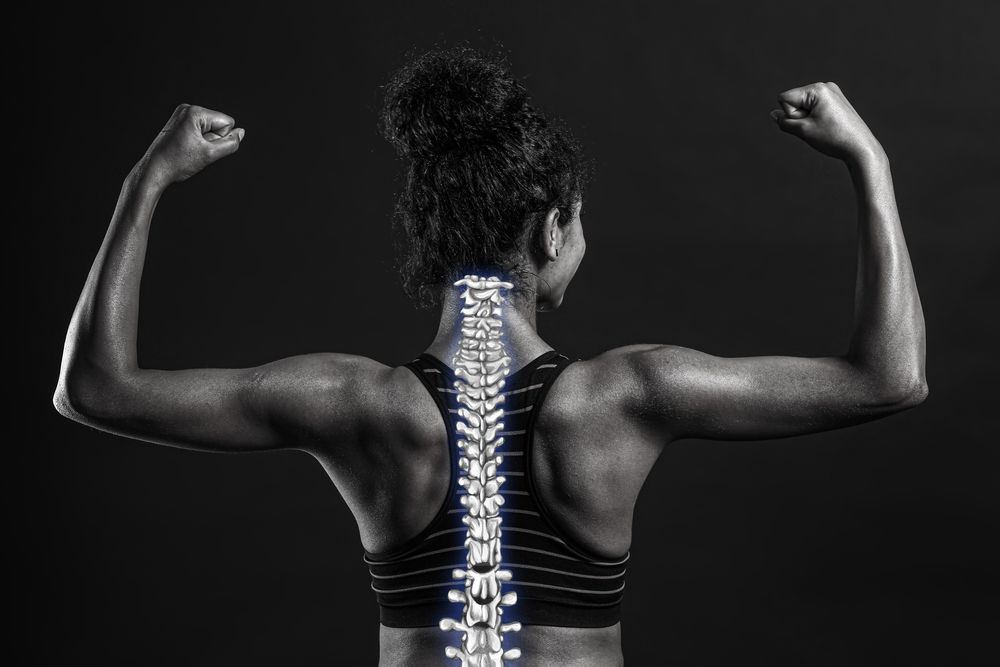
At Spine, Neck, & Back Specialists, serving the communities of Bloomfield, Englewood, and Union City, NJ, we often emphasize the importance of a strong core for overall spinal health. Dr. Jay Reidler understands that many patients underestimate the role core muscles play in supporting the spine, preventing injury, and reducing chronic pain in the back and neck. This blog explores why core strength is vital for maintaining the health of your back and neck, how it influences posture and movement, and the long-term benefits of core conditioning.
Understanding Core Strength and Its Role in Spinal Health
Core strength refers to the ability of the muscles in your abdomen, lower back, pelvis, and hips to stabilize and support the spine. These muscles form a natural corset around the torso, providing a solid foundation for movement and protecting the spine from excessive strain. When your core is strong, it helps distribute weight evenly across the body, reducing stress on the vertebrae and discs in the back and neck.
Weak core muscles can lead to poor posture, uneven loading on the spine, and compensatory movements that increase the risk of injury. For example, if the core cannot support the upper body adequately, other muscles such as those in the lower back or neck may overwork, resulting in pain or discomfort. In contrast, a well-conditioned core supports the spine in neutral alignment, improving balance and reducing the likelihood of muscle strains, herniated discs, and degenerative changes in spinal structures.
How Core Strength Influences Posture and Movement
Maintaining good posture is essential for preventing back and neck pain. The core muscles play a key role in keeping the spine in its natural curves—cervical (neck), thoracic (mid-back), and lumbar (lower back). Poor posture, often caused by weak core muscles, can lead to a forward head position, rounded shoulders, and increased pressure on the neck and upper back. Over time, these changes contribute to muscle fatigue, nerve irritation, and joint dysfunction.
Core strength also directly impacts functional movements, such as bending, twisting, lifting, and even simple daily tasks like sitting or standing. When core muscles engage properly, they act as stabilizers, allowing the limbs and spine to move safely and efficiently. For instance, lifting an object with a strong core protects the spine by absorbing force and preventing excessive spinal flexion or extension. Without this support, the risk of acute injuries like muscle strains or chronic conditions such as disc degeneration rises significantly.
The Connection Between Core Weakness and Chronic Pain
Many individuals suffering from chronic back and neck pain have underlying core weakness that goes unnoticed. Chronic pain is often the result of repetitive strain, poor posture, and muscle imbalances. Weak core muscles contribute to these issues by forcing other muscles to compensate, creating a cycle of pain and dysfunction. Studies have shown that improving core strength can reduce pain levels, increase mobility, and enhance quality of life for people with chronic spinal conditions.
Furthermore, core weakness can negatively affect spinal stability, leading to micro-movements and instability that irritate nerves and soft tissues. This instability is a common cause of conditions like spondylolisthesis, spinal stenosis, and facet joint arthritis. Strengthening the core helps stabilize the spine, reduce excessive motion, and protect sensitive structures from ongoing damage.
Core Strengthening: Practical Benefits and Recommendations
Incorporating core strengthening exercises into your daily routine has numerous benefits for back and neck health. These include improved posture, enhanced spinal stability, better balance and coordination, reduced injury risk, and relief from chronic pain symptoms. Core training also promotes better breathing mechanics and can support mental health by increasing overall physical well-being.
Some of the most effective core exercises include planks, bridges, pelvic tilts, and bird-dogs. These exercises engage multiple core muscle groups without putting excessive strain on the spine. It’s important to focus on controlled, deliberate movements and proper form to maximize benefits and avoid injury. Consulting with a healthcare professional or physical therapist can help tailor a core strengthening program to your specific needs and conditions.
Core Strengthening Tips:
- Start with low-impact exercises and gradually increase intensity.
- Engage your core during daily activities like standing, walking, and lifting.
- Avoid exercises that cause pain or discomfort and seek professional advice if needed.
- Combine core training with flexibility and aerobic exercises for overall spinal health.
At Spine, Neck, & Back Specialists, located in Bloomfield, Englewood, and Union City, NJ, Dr. Jay Reidler emphasizes the vital role core strength plays in maintaining a healthy spine and preventing neck and back pain. By understanding the importance of your core muscles and incorporating appropriate exercises into your lifestyle, you can protect your spine and enhance your quality of life.
If you’re interested in learning more about spinal health and ways to strengthen your core, please contact us. We are currently accepting CIGNA PPO and many other insurance plans.
Resources
- McGill, S. M. (2007). Low Back Disorders: Evidence-Based Prevention and Rehabilitation. Human Kinetics.
- Hodges, P. W., & Richardson, C. A. (1996). Inefficient muscular stabilization of the lumbar spine associated with low back pain: a motor control evaluation of transversus abdominis. Spine, 21(22), 2640-2650.
- Akuthota, V., Ferreiro, A., Moore, T., & Fredericson, M. (2008). Core stability exercise principles. Current Sports Medicine Reports, 7(1), 39-44.